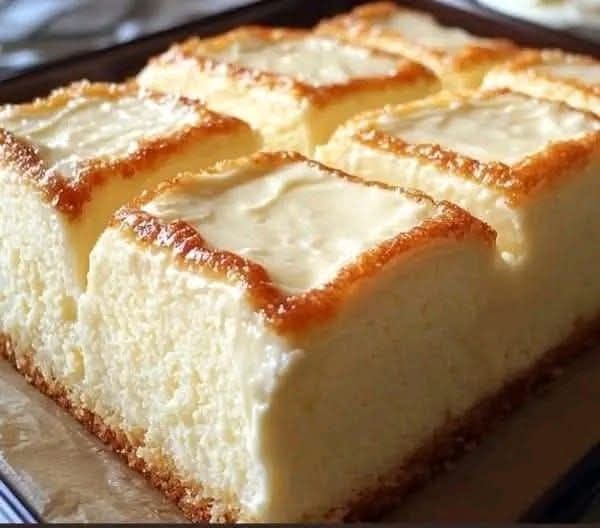
Introduction
There’s something magical about a cream cheese cake — soft, moist, and slightly tangy with a creamy texture that melts in your mouth. Whether you’re a dessert enthusiast or just someone who loves baking, this cake is pure joy. It’s not just sweet — it’s comforting, rich, and absolutely unforgettable.
What Is a Cream Cheese Cake?
A cream cheese cake is a luscious dessert that combines the fluffiness of a traditional cake with the creamy texture of cheesecake. Unlike a dense New York-style cheesecake, this version is lighter and airier, making it perfect for those who love soft, moist bakes.
Difference Between Cream Cheese Cake and Cheesecake
While cheesecake is typically dense, smooth, and baked on a crust, cream cheese cake has a fluffier texture and often includes flour or cake flour, giving it more rise and softness. Think of it as the perfect hybrid between cake and cheesecake — indulgent yet delicate.
The Origins of Cream Cheese Cake
Cream cheese first appeared in American kitchens in the late 1800s, revolutionizing baking forever. As cream cheese gained popularity, bakers began experimenting, leading to the creation of lighter, fluffier cakes that used this ingredient as a key component. Today, cream cheese cake has become a staple dessert around the world, especially for birthdays, holidays, and special gatherings.
Ingredients That Make the Magic
Every great cake starts with great ingredients. To make the perfect cream cheese cake, here’s what you’ll need:
Cream cheese (full-fat preferred)
Butter
Sugar
Eggs
Cake flour
Vanilla extract
Baking powder
A pinch of salt
Milk or sour cream
The Role of Cream Cheese
Cream cheese is the soul of this cake. It adds richness, tanginess, and a creamy mouthfeel that makes each bite unforgettable. Always use full-fat cream cheese for the best texture, and let it soften at room temperature before mixing to avoid lumps.
The Secret to Fluffiness
Fluffiness comes from proper aeration. Creaming butter, sugar, and cream cheese together traps air, creating that soft, cloud-like texture. Overmixing after adding flour, however, can deflate your batter — so go gentle once dry ingredients come in.
Continue reading by clicking the ( NEXT 》 ) button below !
