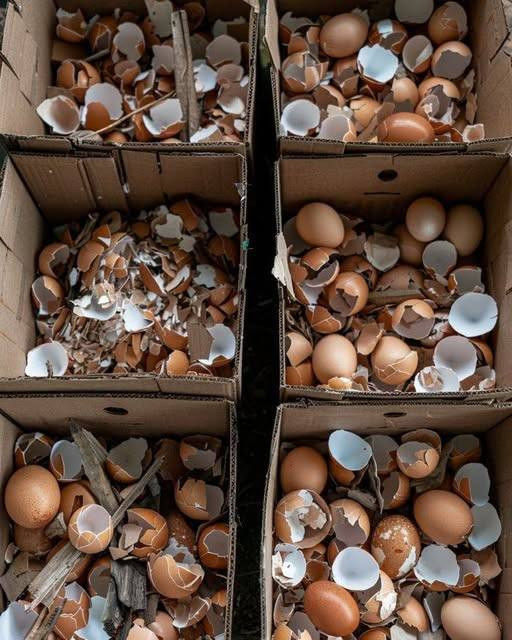
Introduction
Eggshells have long been touted as a natural and eco-friendly way to nourish your garden. However, many gardeners miss the mark on how to effectively use them as fertilizer. Simply tossing crushed shells onto your soil won’t give your plants the boost they need. If you want to unlock the true power of eggshells, you need to prepare and apply them correctly. This guide will walk you through the right way to turn those kitchen scraps into a nutrient-rich fertilizer that your plants will love.
Ingredients:
Eggshells (from any number of eggs, depending on garden size)
Water (optional)
Compost or soil (for mixing)
Preparation:
Clean the Shells
Rinse the eggshells thoroughly to remove any egg residue that might attract pests or cause odors.
Dry Completely
Allow the shells to dry completely. You can air dry them or bake them in an oven at a low temperature (around 200°F or 90°C) for 10-15 minutes to kill bacteria and make them brittle.
Crush or Grind
For best nutrient absorption, crush the dried shells into a fine powder using a mortar and pestle, spice grinder, or blender. Larger chunks decompose too slowly to benefit your plants quickly.
Optional: Make Eggshell Tea
Soak the powdered shells in water for 24-48 hours. This “eggshell tea” releases calcium and trace minerals into a liquid form, which can be used as a foliar spray or watered directly into the soil.
Presentation and Storage Tips:
Store crushed or powdered eggshells in an airtight container in a cool, dry place to keep them fresh and ready for use.
Use powdered eggshells directly by mixing them into your potting soil or garden beds.
If making eggshell tea, use the liquid within 2-3 days for maximum effectiveness.
Variation:
